Amber Star: Elevate Handmade Crafts with a Serif Display Font
There is a distinct moment in the product design process when everything clicks. You have the perfect packaging, the ideal color palette, and a handmade product you are genuinely proud of. But the text on the label feels flat. Generic. It does not match the quality of what is inside. This is exactly the moment I discovered Amber Star. I was designing a label for a new line of small-batch vanilla candles, searching for a typeface that could bridge classic elegance and vintage charm without feeling overly fussy or outdated. The moment I typed the product name into my design software and saw those graceful curves take shape, I knew the search was over.
Visual Personality and Practical Appeal
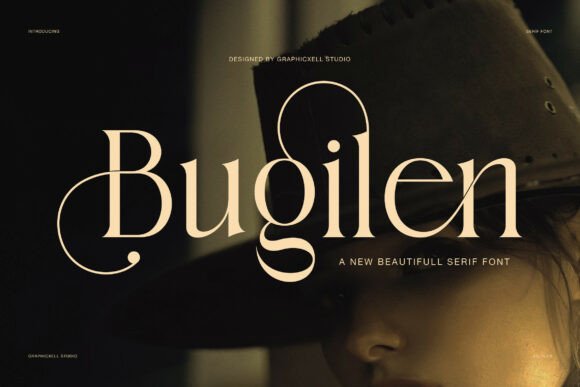
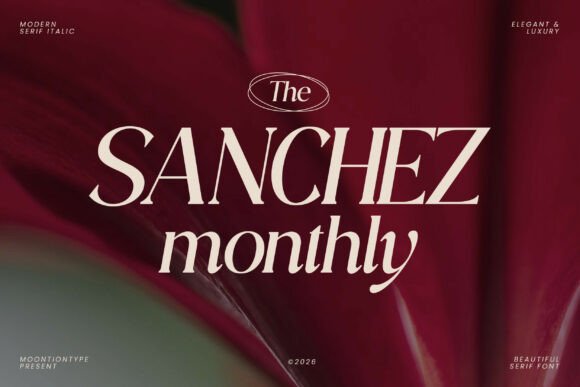
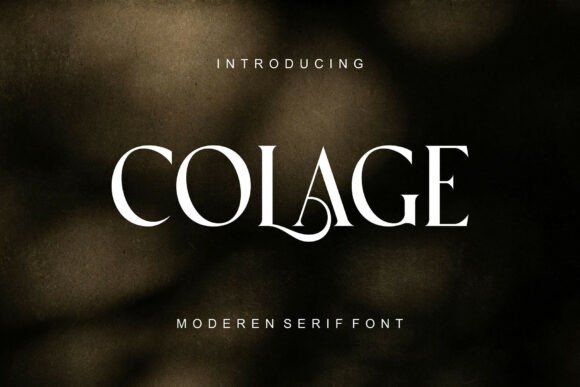
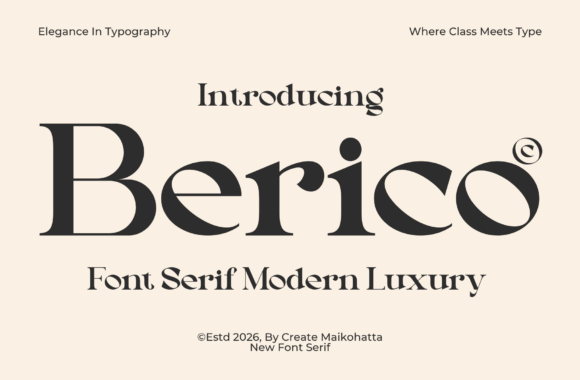
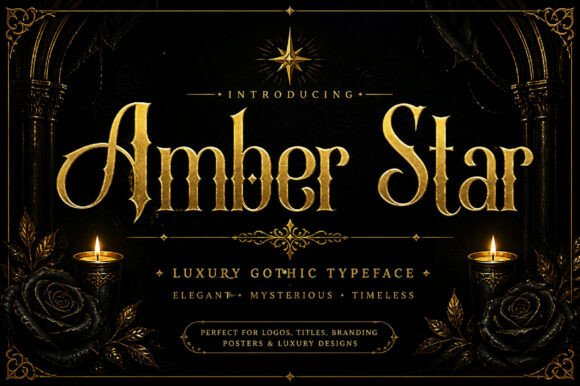
Amber Star is a refined serif display font that carries the weight of a bygone era while maintaining perfect clarity for modern product design. Its elegant letterforms feature a subtle rhythmic contrast between thick and thin strokes, creating a sophisticated silhouette that commands attention without shouting. The decorative details are tastefully applied—flourishes and serifs that feel purposeful rather than excessive. For makers and small shop owners, this font offers a distinct personality for product names, titles, and short statements. It lends an air of authenticity and careful craftsmanship to everything it touches, whether printed on a cream cardstock sticker or engraved into a wooden sign.
From Digital Mockup to Printed Label
My initial test for Amber Star was a simple candle label. The design needed to communicate "hand-poured" and "artisan" without using those words explicitly. The product name, "Amber & Oak," was set in Amber Star at a 36pt size with generous tracking. The result was immediately impactful. The font's inherent vintage charm perfectly complemented the rustic kraft paper labels and twine finish.
For ingredient listings or scent notes, I paired Amber Star with a clean, neutral sans serif font to ensure readability at smaller sizes. This is a crucial pairing technique. Amber Star shines in the spotlight of the headline, but it requires a calm, simple counterpart to handle the supporting text. The contrast between the ornate serif font and the modern sans serif font creates a balanced, professional brand identity that feels both curated and approachable.
Crafting Invitations with Timeless Appeal
Beyond product labels, Amber Star proves itself exceptionally versatile for paper goods, especially wedding stationery and greeting cards. When designing a save-the-date for a friend, I used the font's stylish letterforms for the couple's names. The decorative ligatures and alternate characters allowed me to customize the look, avoiding a generic template feel. Typing out supporting details in a simple serif or handwritten font created a beautiful hierarchy.
The font handles elegant short phrases flawlessly—"Together with their families," "Mr. & Mrs.," "Happy Holidays," "Welcome to our home." It transforms a plain piece of cardstock into a premium design asset. For printable sellers on Etsy, Amber Star is a valuable tool. It offers the premium serif aesthetic that buyers associate with high-end invitation suites, allowing creators to build multiple variations of a template using just one typeface by toggling different alternates and ligatures.
Designing for Physical Materials
Using Amber Star with a cutting machine like Cricut or Silhouette requires a bit of practical consideration. Because it is a display font with delicate serifs, it works best for medium to large-scale projects. A family name on a welcome sign, a single word on a coffee mug, or a short quote on a canvas tote bag are ideal applications.
For weeding vinyl, the open counters and clear distinction between strokes make it more forgiving than some overly intricate script fonts. I found that using a slightly heavier weight or increasing the stroke thickness slightly in my design software helped maintain the integrity of the small serifs during transfer. Testing a small prototype on cheap vinyl before committing to a large batch of signs is always a wise move. The font's vintage charm fits seamlessly into farmhouse decor, but its refined serifs also look stunning in modern, minimalist contexts when used sparingly—perhaps a single, powerful word in gold foil on a dark background.
Readability for Small Formats and Mockups
The true test of a font for a product maker is how it performs off the screen. Amber Star is undoubtedly a display font, designed for short, impactful uses. It excels in product names, short titles, single words like "Love" or "Luxury," and headers for business cards or product tags. It is less suited for lengthy paragraphs or fine print due to the intricate nature of the serifs. At very small sizes, the delicate strokes might become muddy, especially on uncoated paper or porous materials like wood. Always print a physical test sample before running a large batch of labels or stickers.
Font Pairing Strategies for Cohesive Branding
To get the most out of this creative font, pairing it effectively is essential. Amber Star acts as the anchor of your brand identity. For a romantic, high-end feel, pair it with a light, airy handwritten font or a simple calligraphy style. For a more structured, editorial look, combine it with a sturdy geometric sans serif font. The key is to let Amber Star lead the visual hierarchy. Use it for the primary message and keep supporting text clean and restrained. This strategy works wonderfully for packaging design, social media graphics, and logo design for your handmade shop.
Technical Must-Knows for Commercial Use
Before selling physical products or digital downloads featuring Amber Star, reviewing the commercial licensing is a vital step. Check whether the standard license covers your intended use, whether it is printed merchandise, templates, or SVGs for cutting machines. An extended license is often required if you are transferring the font file itself to a customer, such as in an editable Canva template or a Cricut design file. Always read the specifics provided by the foundry to ensure your beautiful product labels, greeting cards, and printables are fully compliant.
What to Look for in the Download
A premium font like Amber Star typically arrives with a comprehensive set of files. Here is a quick checklist for makers preparing to use the font:
- File Formats: Look for both OTF and TTF. OTF files are generally preferred for design software like Adobe Illustrator, as they support more advanced OpenType features like stylistic alternates, ligatures, and swashes.
- Glyph Range: Check if the font supports multilingual characters. This is crucial if you sell products in different regions or need accented characters for names and places.
- Alternates and Swashes: These are the secret weapons of a great serif font. Toggling between standard and alternate characters allows you to create a custom, handcrafted feel for every project. Use them on the first and last letters of a word for maximum impact.
- Web Font: If you maintain a brand website or an online store, a WOFF or WOFF2 file ensures your chosen serif font remains consistent across your site, reinforcing your brand identity.
Bringing Your Creative Vision to Life
For the handmade seller, every detail matters. The texture of the paper, the color of the ribbon, the weight of the container, and absolutely the typeface on the label. Amber Star offers a distinct shortcut to that refined vintage aesthetic that so many customers are drawn to. It is a practical, powerful tool in the maker's design toolkit. Whether you are designing a sticker sheet for your Etsy shop, drafting a mockup for a new product launch, or preparing a holiday gift tag, this serif font brings a level of polish that elevates the perceived quality of your work. The next time you find yourself staring at a blank canvas in your design software, give Amber Star a try. Watch how it transforms a simple phrase into a statement that feels like it belongs in a curated boutique. The right font does not just label your product—it tells its story.